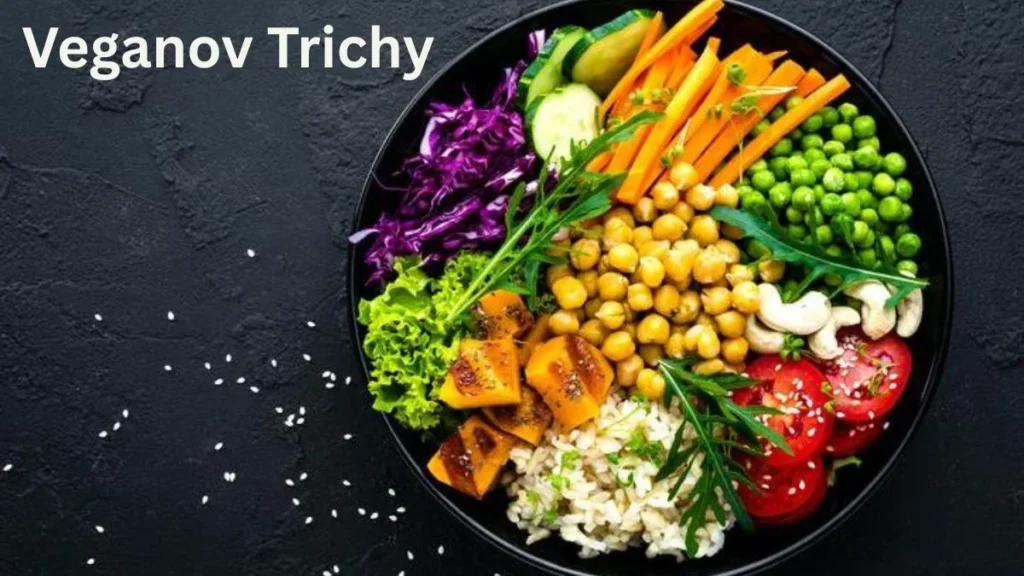
Reading food labels is an essential skill for making healthier choices. Nutritional information helps you understand what you are eating, manage portion sizes, and maintain a balanced diet. By learning to interpret labels, you can make informed decisions that support your health and wellbeing.
1. Check the Serving Size
The serving size tells you the amount of food that the nutritional information applies to. It is important to compare the serving size with how much you actually eat. Eating more than the serving size increases calories, sugar, and fat intake.
2. Look at Calories
Calories indicate the amount of energy in a serving. Monitoring calories helps maintain a healthy weight. Be mindful of hidden calories in beverages, sauces, and snacks, which can add up quickly.
3. Understand Macronutrients
Food labels list the main macronutrients:
- Carbohydrates: Provide energy. Pay attention to total carbs and fiber content. Whole grains and fiber-rich foods are healthier options.
- Proteins: Essential for muscle repair and growth. Include lean protein sources such as chicken, fish, beans, and tofu.
- Fats: Necessary for health, but choose healthy fats like olive oil, nuts, and avocado. Limit saturated and trans fats.
4. Check Added Sugars
Excess sugar can contribute to weight gain and health problems like diabetes. Food labels list added sugars separately from natural sugars. Try to choose foods with minimal added sugar whenever possible.
5. Sodium Content
High sodium intake can increase blood pressure and heart disease risk. Check the sodium content on labels, especially in processed and packaged foods. Aim to keep daily sodium intake within recommended limits.
6. Vitamins and Minerals
Labels often list vitamins and minerals like Vitamin A, Vitamin C, calcium, and iron. Choosing foods rich in essential nutrients supports overall health. Look for foods that provide at least 10–20% of your daily value of key vitamins and minerals per serving.
7. Understand Ingredient Lists
Ingredients are listed in order of quantity, from highest to lowest. Watch for artificial additives, preservatives, and ingredients you want to avoid. Recognizing ingredients helps you make healthier choices and avoid hidden sugars or unhealthy fats.
8. Look for Whole Foods
Foods with short, recognizable ingredient lists are often healthier than those with long, processed ingredient lists. Whole foods like fruits, vegetables, whole grains, and minimally processed proteins are generally better choices.
9. Be Aware of Health Claims
Labels may include claims like “low-fat,” “sugar-free,” or “organic.” While these claims can be helpful, they don’t always indicate that the product is healthy. Always read the full nutritional information to understand what you are consuming.
10. Portion Control and Mindful Eating
Understanding food labels supports portion control. By knowing the calories, macronutrients, and serving sizes, you can make better choices and avoid overeating. Pair this knowledge with mindful eating to improve overall health.
11. Use Trusted Resources
For guidance on reading labels, choosing nutritious foods, and understanding health claims, trusted platforms can be very helpful. You can find advice, share experiences, and get practical tips on ZE commentaires . Engaging with a community helps you make informed decisions and adopt healthier eating habits.
Conclusion
Understanding food labels and nutritional information empowers you to make healthier choices. By checking serving sizes, calories, macronutrients, sodium, sugar, vitamins, and ingredients, you can better manage your diet and maintain a balanced lifestyle.
Using resources like ZE commentaires provides inspiration, guidance, and a community to support your journey toward healthier eating. With consistent awareness and knowledge, reading food labels becomes a simple and effective way to improve your nutrition every day.
Read Also: Healthy Eating Habits for Everyday Life